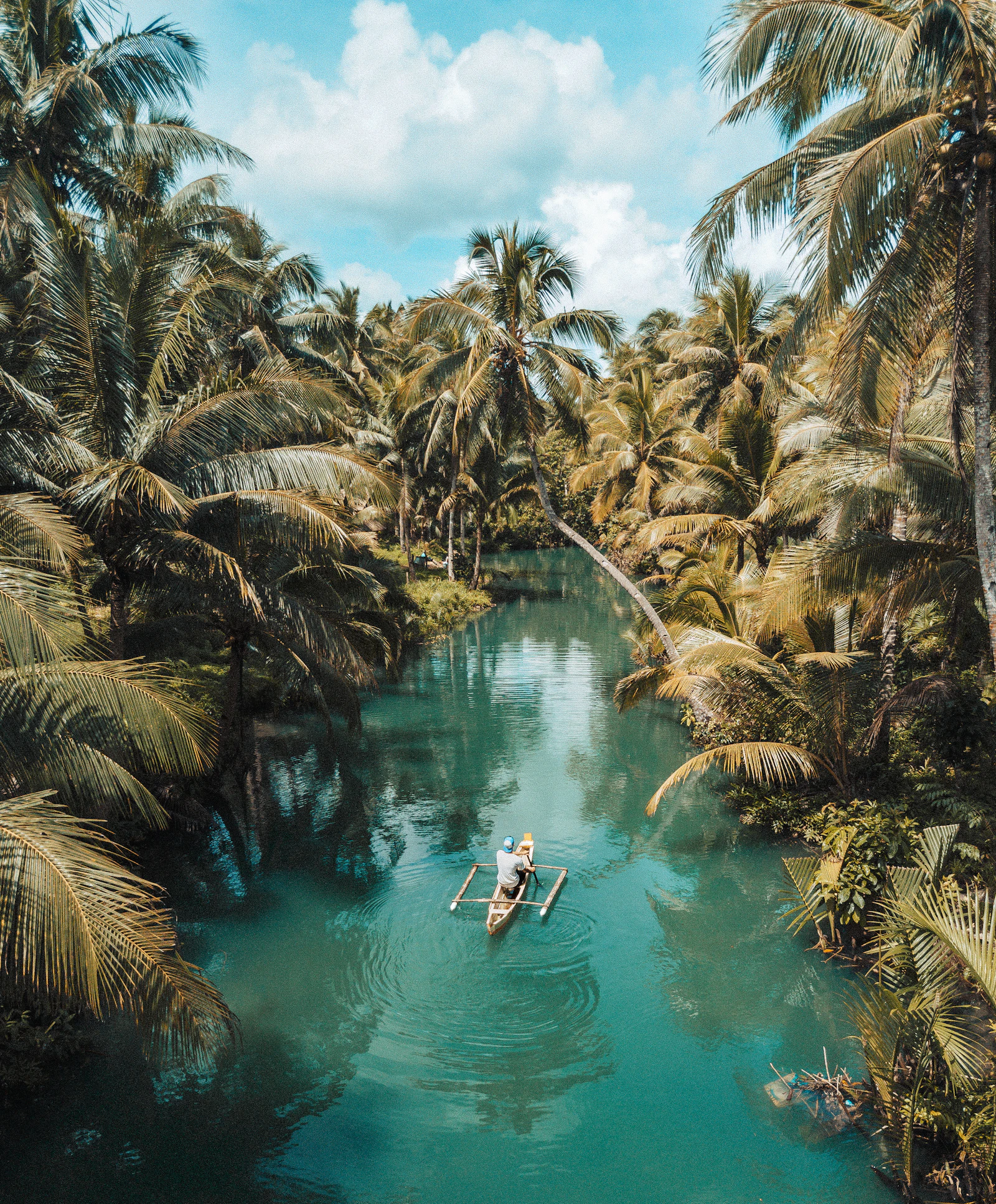
Guanacaste, Costa Rica: A Local's Guide to Beaches, Parks, and When to Go
Costa Rica's driest, sunniest province — and the one most likely to have you at "beach" alone.
Guanacaste is Costa Rica's northwest corner, and it plays by different rules than the rest of the country. It's drier, hotter, and sunnier almost year-round, which is exactly why it's home to the country's biggest beach resorts and its busiest international airport outside San José. But there's more here than resort strips — dry tropical forest, active volcanoes, and beach towns that still feel like beach towns.
Best Beaches
Where to put your towel
- Surf town energy
Playa Tamarindo
The most infrastructure in the province — restaurants, surf schools, hotels at every price, and nightlife. The easiest landing spot for first-timers who don't want to plan every meal.
- Calm turquoise water
Playa Conchal
Famously made of crushed shells instead of sand in parts, with unusually clear, calm water. Quieter than Tamarindo and better for swimming and snorkeling than surfing.
- Upscale & marina
Playa Flamingo
The polished end of the coast, with a marina that makes it the natural base for sportfishing, sunset sails, and boat trips up and down the shore.
- Family-friendly
Playa Sámara
A gentle, reef-protected bay with soft surf and a small-town main street. Less built-up than the northern beaches and forgiving for kids and beginner swimmers.
- Yoga, wellness & surf
Playa Nosara
More remote and intentionally low-key, with a strong yoga and wellness scene alongside consistent surf. Roads are rougher — plan on a 4x4 in green season.
National Parks & Nature
Inland day trips
- Active volcano · near Liberia
Rincón de la Vieja National Park
Steaming mud pots, fumaroles, and hot springs on the flanks of an active volcano, with waterfall hikes through dry forest. The easiest big nature day from the Liberia beaches.
- Dry forest · historic site
Santa Rosa National Park
Costa Rica's first national park: dry tropical forest, the historic Casona battlefield, and remote surf beaches like Naranjo. Undeveloped, hot, and worth the drive.
- Cloud-touched highlands
Diriá National Park
A small, rarely crowded park in the hills above Santa Cruz where dry forest gives way to humid forest, waterfalls, and quiet birding trails.
- Limestone caves · near Nicoya
Barra Honda National Park
An ancient reef turned limestone plateau, riddled with caves you can descend with a guide, plus ridge trails with long views over the Gulf of Nicoya.
- Wildlife rescue · Cañas
Las Pumas Rescue Center
A long-running rescue and rehabilitation center for wild cats and other native animals that can't be released. A good, honest stop with kids on the drive inland.
When to Go
Guanacaste's dry season runs December to April — the most reliable sun in the country, but also the busiest and most expensive stretch of the year.
Green season (May–November) brings lower prices, fewer crowds, and dramatic afternoon storms, but mornings are usually clear.
Guanacaste stays drier than the rest of the country even in green season, which is why locals often recommend it for travelers nervous about rain.
Getting There and Around
Most travelers fly into Liberia's Daniel Oduber Quirós International Airport (LIR) rather than San José, which cuts hours off transfer time to most Guanacaste beaches.
Renting a car gives the most flexibility since beach towns are spread out and public transit is limited; a 4x4 is worth it if you're heading anywhere off the main roads.
Make Guanacaste Your Trip
Tell us how you like to travel and our certified Travel Advisors will build a Guanacaste-focused itinerary — the right beach town, the right season, and the drives that actually make sense.
Use code CC9O9U0 at checkout